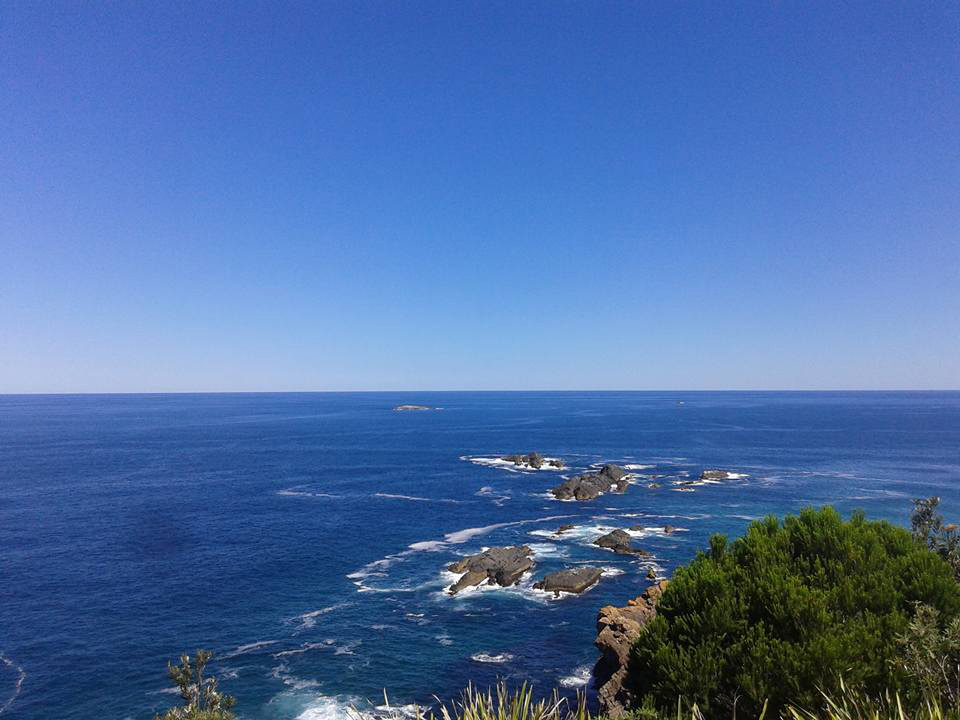
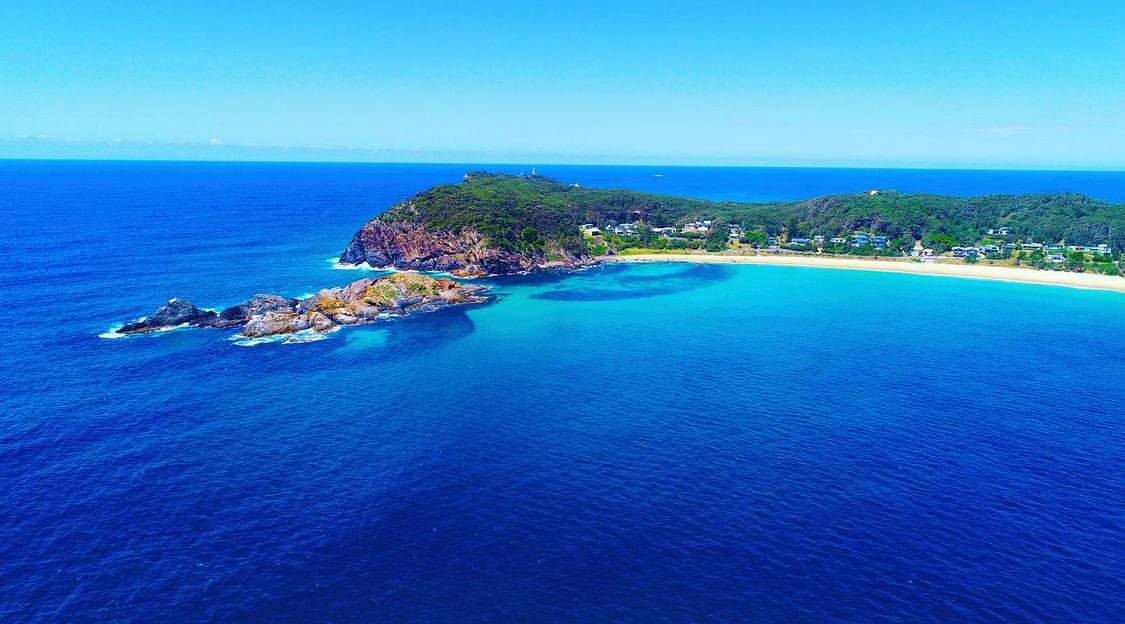
The marine park is renowned for its diverse ecosystems and rich biodiversity, providing habitats for various marine and terrestrial species:
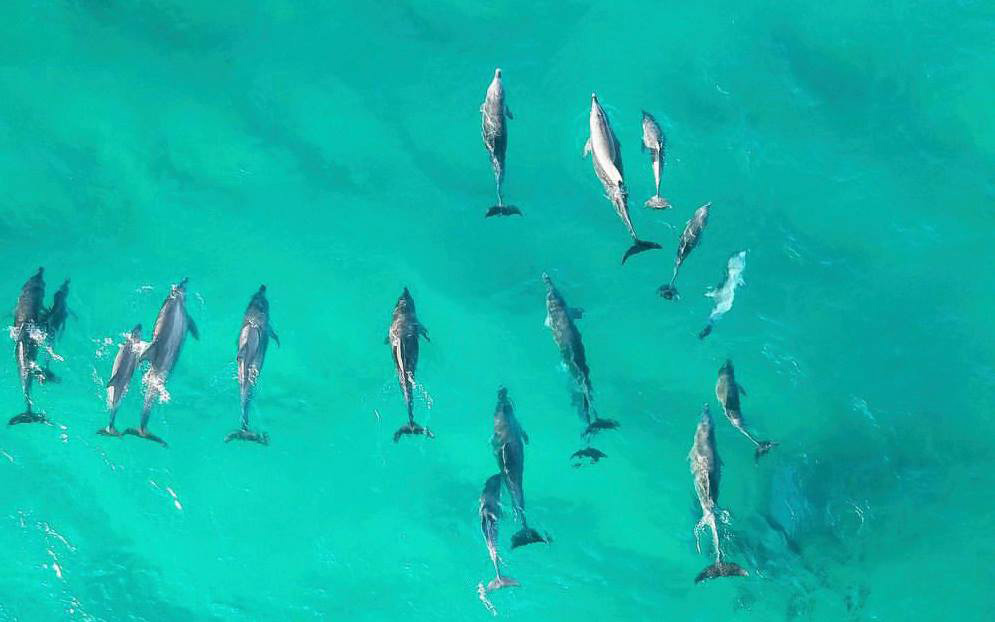
Marine Life: The waters are home to approximately 90 to 120 Indo-Pacific bottlenose dolphins (Tursiops aduncus), which inhabit the area year-round. These dolphins can grow up to 2.6 meters in length and weigh as much as 230 kilograms. They can often be seen year-round, delighting divers and boaters alike.
Outer Islands: The park’s outer islands serve as important breeding and nesting grounds for seabirds, including the rare Gould’s Petrel, which calls these islands home. The islands also hold cultural and historical significance, providing shelter to sailors for centuries.
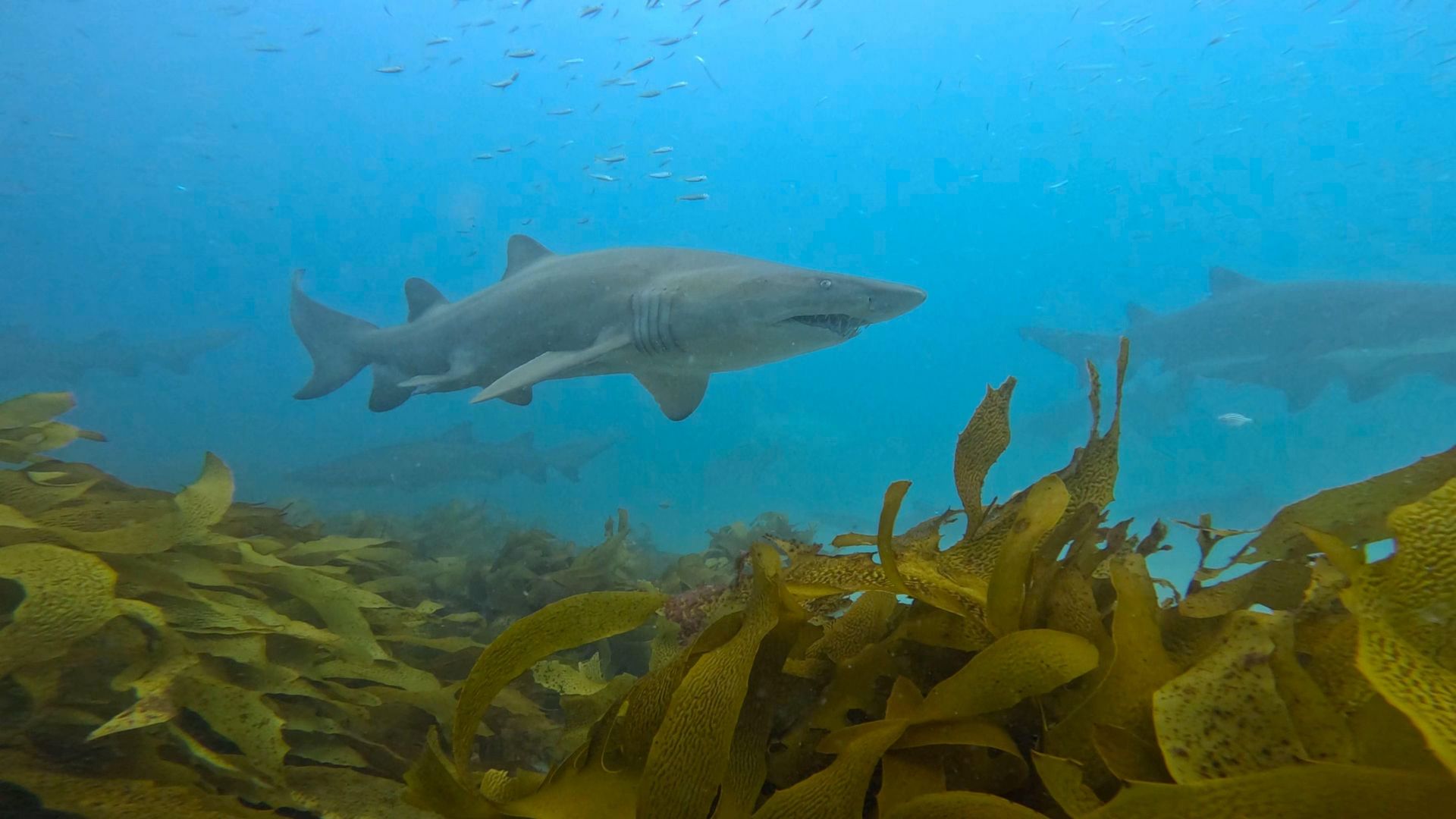
Sharks: One of the park’s most significant features is its role as a habitat for endangered Grey Nurse Sharks. The park's waters offer a safe haven for these majestic predators, The Grey Nurse Shark is one of the most iconic species in the region, with efforts underway to protect and monitor their populations.
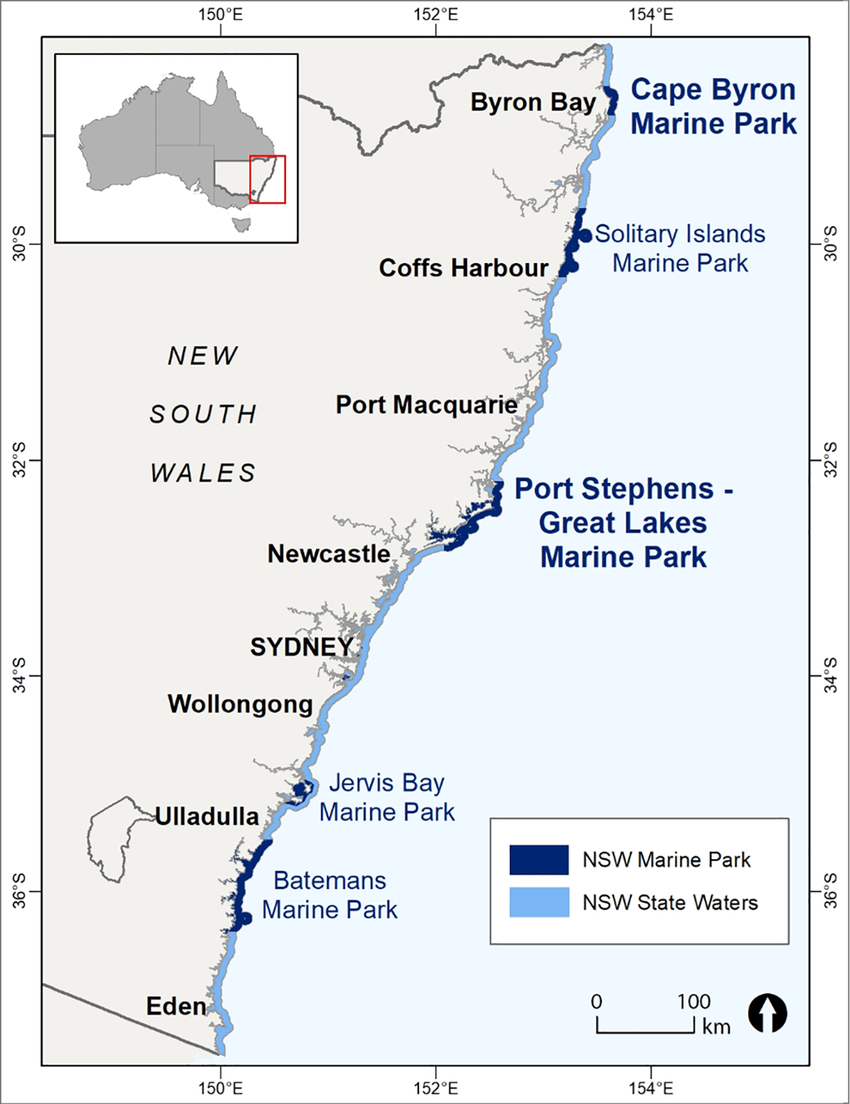
Port Stephens-Great Lakes Marine Park is a crucial area for the conservation of Grey Nurse Sharks, particularly around sites like Latitude Rock and Big Seal Rock . These areas provide ideal habitats for these sharks, offering shelter, food, and a safe environment for juvenile and adult sharks alike.
- Grey Nurse Sharks: Once abundant along the Australian coast, Grey Nurse Sharks are now considered endangered, making their presence in the Port Stephens-Great Lakes Marine Park an essential conservation success. The park offers a haven for these sharks, where they can continue to thrive without the threat of commercial fishing and other human activities.
- Conservation and Monitoring: Efforts are ongoing to monitor and protect the Grey Nurse Shark population within the park. Through initiatives like the Spot a Shark program, divers help track and identify these sharks, contributing valuable data that supports their conservation.
The waters of Port Stephens hold great cultural significance for the Worimi people, the traditional custodians of the region. The Worimi people have a deep connection to the land and sea, and their cultural heritage is closely tied to the natural environment. This connection plays a key role in the conservation efforts within the marine park, where respect for nature and sustainable practices are prioritized.
The Port Stephens-Great Lakes Marine Park is currently in the process of being nominated for World Heritage status, recognizing the area’s outstanding natural value. This bid aims to highlight the park's unique biodiversity, cultural significance, and the role it plays in marine conservation on a global scale. The potential designation as a World Heritage site would further strengthen the region’s commitment to conservation and promote sustainable tourism practices, ensuring that future generations can continue to experience the park’s beauty and ecological importance.
At Forster Dive Centre, we are proud to operate within the Port Stephens-Great Lakes Marine Park, and we are committed to preserving its unique marine ecosystems. Our eco-tourism efforts include:
Shark Conservation: We actively participate in programs like Spot a Shark, which helps monitor the endangered Grey Nurse Shark population in the marine park.
Sustainable Diving: Our diving experiences are designed to minimize environmental impact and ensure that we dive responsibly, respecting the delicate ecosystems of the park.
Marine Education: We offer educational dive tours that provide insight into the region's rich biodiversity, including the sharks, fish, and other marine species that inhabit the park.
We invite you to join us at Forster Dive Centre for a truly unforgettable diving experience in one of Australia’s most vital marine environments. Our commitment to sustainable practices ensures that the beauty and richness of the Port Stephens-Great Lakes Marine Park will be preserved for future generations.